Original price was: $220.00.$200.00Current price is: $200.00.
KLOW Peptide for Sale in USA
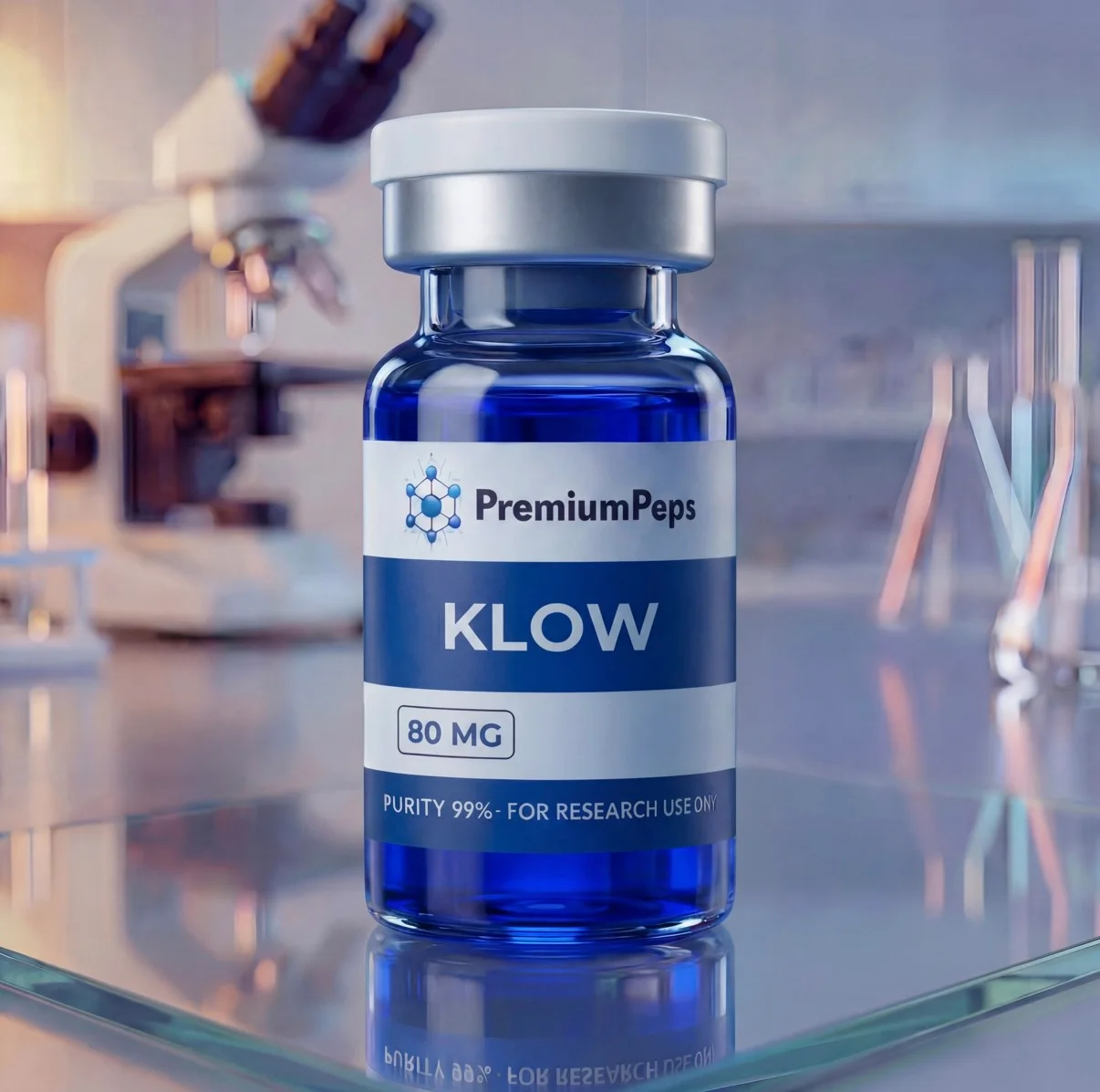
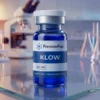
KLOW Peptide in USA combines BPC-157, TB-500, GHK-Cu, and KPV in a single research blend. This multi-peptide formula is designed for preclinical studies exploring tissue-related processes, cellular signalling, and inflammatory pathway activity.
Research highlights interest in its potential role in cellular repair mechanisms, structural tissue modelling, and biological pathway interactions across skin, connective tissue, and immune response systems.
When you buy KLOW Peptide in Australia from a trusted source, you’re choosing quality and consistency. Advanced Peptide Lab is your reliable KLOW Peptide supplier in USA, offering premium-grade research peptides for laboratory use.
Please Note: Supplied in freeze-dried (lyophilised) form, KLOW Peptide must be reconstituted with bacteriostatic water prior to use. This ensures stability and proper preparation for research applications.
KLOW Peptide – Advanced Multi-Peptide Blend for Regeneration and Recovery Research
KLOW Peptide is an advanced research blend that combines four widely studied peptides: BPC-157, KLOW (80mg), TB-500, GHK-Cu, and KPV. Researchers continue to investigate this unique formulation because each peptide supports different biological pathways involved in tissue repair, cellular regeneration, and inflammatory response modulation. As a result, KLOW Peptide has become a valuable compound in recovery, regenerative, and wellness-related research.
Unlike single-peptide formulations, KLOW Peptide delivers a multi-pathway approach. Therefore, researchers can explore several biological mechanisms within a single research protocol. Furthermore, the combination of BPC-157, TB-500, GHK-Cu, and KPV allows scientists to investigate how these peptides may work together to support cellular health and recovery processes. KLOW (80mg)
BPC-157 Research Applications:
Researchers study BPC-157 for its potential role in tissue repair and cellular recovery. In addition, scientists investigate its involvement in wound-healing pathways and inflammatory balance. Because of these characteristics, BPC-157 remains a key component in regenerative research.
TB-500 Research Applications:
TB-500 attracts significant interest because of its potential influence on cell migration and tissue restoration. Furthermore, researchers explore its possible role in muscle recovery, connective tissue repair, and structural regeneration. Consequently, TB-500 continues to be a popular peptide in recovery-focused studies. KLOW (80mg)
GHK-Cu Research Applications
GHK-Cu is one of the most researched peptides in regenerative and aesthetic science. Researchers investigate its potential role in collagen production, skin quality, and cellular renewal. Moreover, studies continue to examine its relationship with skin appearance, elasticity, and hair-related research.
KPV Research Applications:
Researchers study KPV for its potential anti-inflammatory properties and immune-modulating effects. Furthermore, scientists investigate its role in gut health, skin research, and systemic inflammatory response pathways. Therefore, KPV contributes an important dimension to the overall KLOW Peptide formulation.
Potential Research Interest Areas
Researchers commonly explore KLOW Peptide for its potential to:
- Support tissue repair and recovery pathways
- Assist with cellular regeneration processes
- Promote structural tissue maintenance
- Support balanced inflammatory response research
- Encourage collagen production studies
- Support skin quality and appearance research
- Investigate gut and immune system pathways
- Explore multi-pathway regenerative mechanisms
Because each peptide contributes unique biological properties, researchers continue to examine the potential benefits of combining these compounds into a single formulation.
Why Choose Advanced Peptide Lab?
At Advanced Peptide Lab, we focus on quality, consistency, and transparency. We source premium research-grade peptides and maintain strict quality control procedures throughout manufacturing and distribution. Furthermore, independent testing helps verify purity, identity, and consistency.
Researchers trust Advanced Peptide Lab because we provide dependable products, transparent quality standards, and professional customer support. In addition, we remain committed to supporting scientific research with reliable peptide solutions.
Frequently Asked Questions
What is KLOW Peptide and how does it work?
KLOW Peptide combines BPC-157, TB-500, GHK-Cu, and KPV into a single research formulation. Together, these peptides support research into tissue repair, inflammation modulation, cellular regeneration, and recovery-related pathways.
What does each peptide in KLOW Peptide do?
BPC-157 and TB-500 are commonly studied for tissue repair and recovery mechanisms. GHK-Cu is widely researched for regenerative and aesthetic applications. Meanwhile, KPV is often investigated for inflammatory response and immune-modulation pathways.
How should KLOW Peptide be stored before reconstitution?
Store freeze-dried KLOW Peptide in a refrigerator between 2°C and 8°C. Additionally, protect the vial from direct light, excessive heat, and moisture.
What type of water should be used for reconstitution?
Researchers commonly use bacteriostatic water for peptide reconstitution. Furthermore, this option may help support stability and reduce contamination risks during laboratory handling.
How long does reconstituted KLOW Peptide remain stable?:
When researchers store the solution properly at 2°C to 8°C, it generally remains stable for up to 30 days. However, laboratories should always follow established storage protocols.
Does KLOW Peptide require refrigeration after reconstitution?:
Yes. Researchers should refrigerate KLOW Peptide before and after reconstitution to help maintain stability and product integrity.
Why choose Advanced Peptide Lab?:
Advanced Peptide Lab provides research-grade peptides supported by strict quality control standards, transparent testing practices, reliable customer service, and fast Australia-wide shipping.
How quickly will my order be shipped?:
Most orders are processed and dispatched within 1–2 business days. Additionally, customers receive tracking information to monitor delivery progress.
Be the first to review “KLOW (80mg)”
Related products
Bac Water
peptides
Cellular Research
Uncategorized
Cellular Research
Cosmetic Peptides
GHRPs
GLP-1 Research
Reviews
There are no reviews yet.