Original price was: $99.00.$89.00Current price is: $89.00.
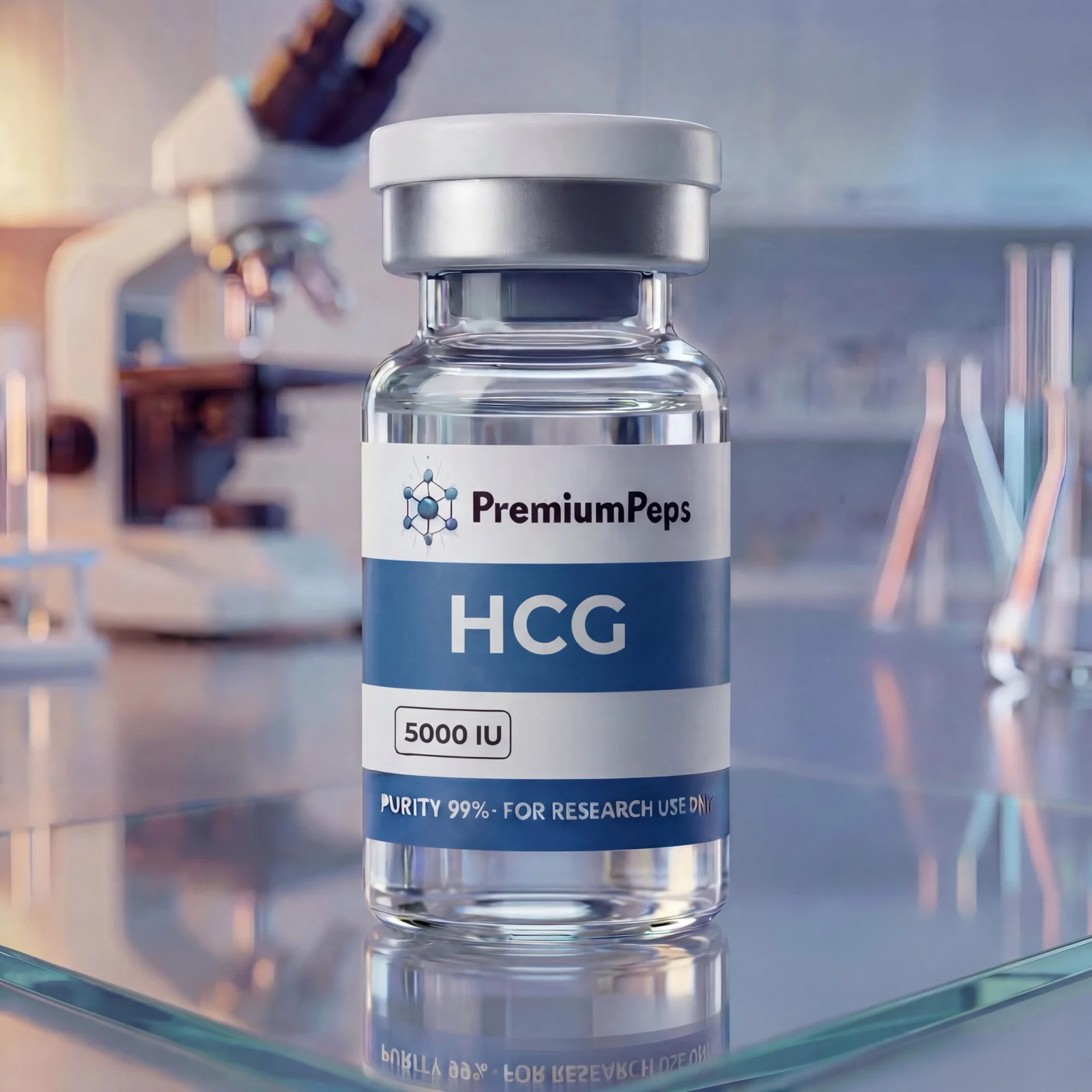
HCG is a glycoprotein hormone widely studied for its role in hormone regulation, reproductive biology, and cellular signaling. It is commonly used in research to explore endocrine function and reproductive processes in both male and female models.
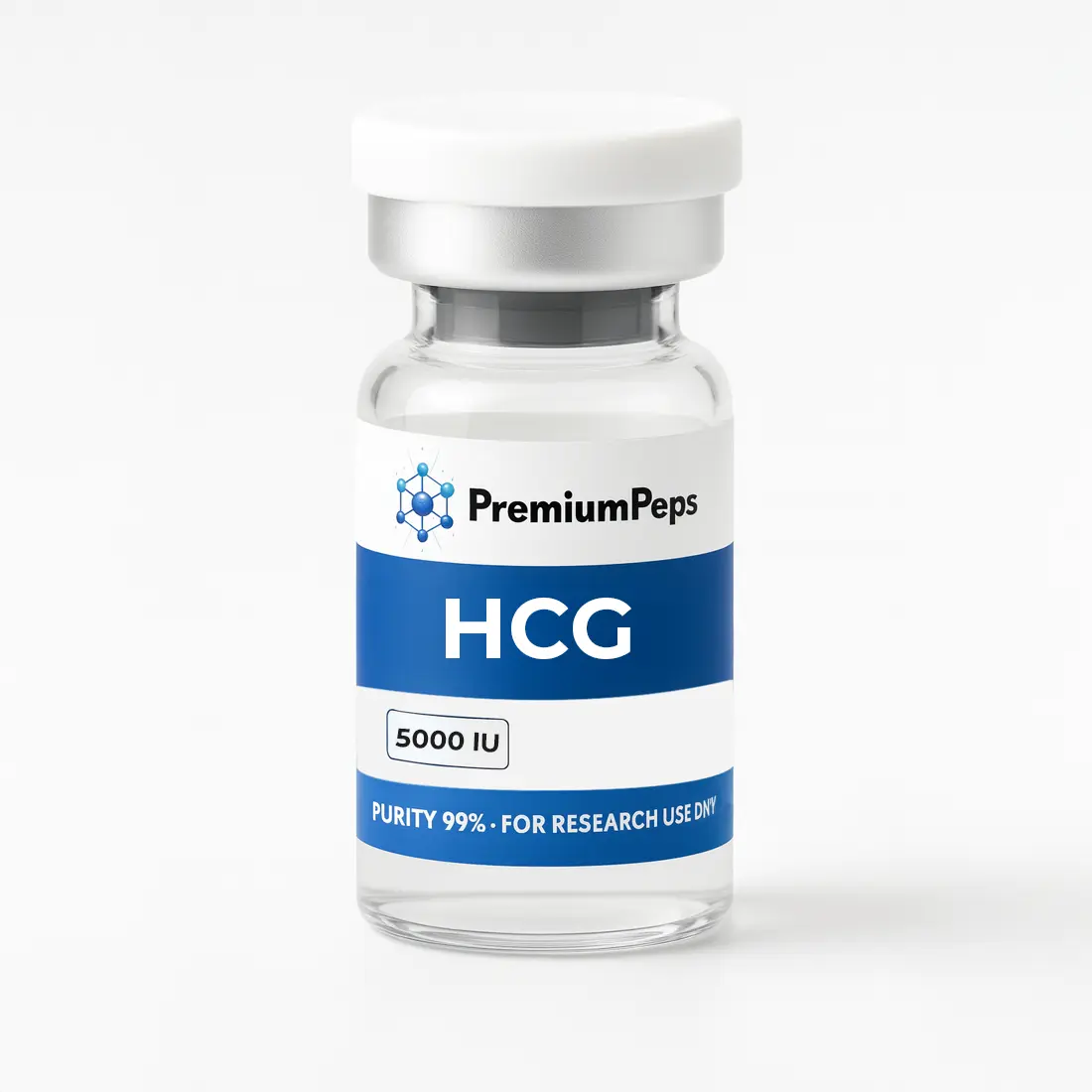
Please Note: HCG is supplied in a freeze-dried (lyophilized) form and must be reconstituted with bacteriostatic water to ensure proper mixing and stability.
HCG (Human Chorionic Gonadotropin) – Research Peptide for Endocrine and Reproductive Studies
Human Chorionic Gonadotropin (HCG) is a naturally occurring glycoprotein hormone that researchers commonly study in reproductive biology and endocrine science. HCG (5000iu). This hormone interacts with the luteinizing hormone/choriogonadotropin receptor (LHCGR), making it an important compound for investigating hormone signaling pathways and reproductive mechanisms. HCG (5000iu)
Structurally, HCG consists of two protein subunits linked together through specialized molecular bonds. The hormone contains a shared alpha subunit composed of 92 amino acids and a unique beta subunit containing 145 amino acids. The beta subunit determines the hormone’s specific biological activity and allows researchers to investigate targeted endocrine functions. As a result, HCG remains one of the most widely studied compounds in reproductive and fertility-related research.
Key Research Applications:
Researchers use HCG to explore a variety of biological processes and signaling pathways. First, scientists investigate its interaction with luteinizing hormone receptors to better understand reproductive endocrinology. Furthermore, researchers study its role in cellular communication within reproductive tissues and endocrine systems.
In addition, HCG serves as a valuable tool for examining hormone-regulated biological processes. Because of its unique molecular structure, researchers continue to explore its involvement in reproductive signaling and cellular responses. Consequently, HCG remains an important compound in laboratory studies focused on fertility, hormone regulation, and reproductive biology.
Angiogenesis and Vascular Research
Researchers also investigate HCG in studies involving angiogenesis and vascular development. Furthermore, scientists examine how hormone signaling may influence the formation and maintenance of vascular networks. Therefore, HCG continues to play a role in research focused on developmental biology and cellular communication pathways.
Form – Lyophilized Powder:
Advanced Peptide Lab supplies HCG in lyophilized (freeze-dried) powder form. This preparation method helps preserve purity, stability, and long-term storage quality. Additionally, researchers can easily reconstitute the peptide according to established laboratory procedures, ensuring consistency across experimental applications.
Premium Quality Manufacturing:
At Advanced Peptide Lab, we prioritize quality, transparency, and consistency. We manufacture every batch under strict quality control standards and implement rigorous testing procedures throughout production. Furthermore, independent third-party laboratories verify purity, identity, and composition before release.
Because research depends on reliable materials, we maintain high standards across our entire product range. Therefore, researchers can confidently utilize our products in laboratory environments and controlled studies.
Why Choose Advanced Peptide Lab?:
Researchers across Australia choose Advanced Peptide Lab because we provide premium research-grade products supported by comprehensive quality assurance procedures. In addition, we focus on customer satisfaction, dependable service, and product integrity.
Expert Customer Support:
Our knowledgeable support team remains available to assist with product information, ordering guidance, and post-purchase support. Whether you need assistance with storage recommendations, product specifications, or general inquiries, we are ready to help. Ultimately, Advanced Peptide Lab remains committed to supporting the scientific community with high-quality research compounds and professional customer service.
Be the first to review “HCG (5000iu)”
Related products
Cellular Research
GHRPs
GLP-1 Research
Bioregulators
Cosmetic Peptides
peptides
Reviews
There are no reviews yet.